
Showing posts with label personal development. Show all posts
Showing posts with label personal development. Show all posts
Why Goal Setting Is Important - A Powerful Method To Achieve Your Goals

why goal setting is so important?
Why do people set goals? One of the main reasons why setting goals is important is that it is human nature to strive when in pursuit of a goal. Having great goals makes us feel alive, gives meaning to our life. That's the reason why many people feel empty after they retire from their job if they don't take the time to set new goals to achieve.
In our professional life, we generally have goals set but we usually don't really take the time to set clear goals for our personal life. Many people spend a considerable amount of time planning their next vacation in detail, looking for the best location, comparing prices, buying the necessary equipment but how many people really take the time to plan their future?
If you start planning everything in advance and constantly setting goals I guarantee you that you will achieve way more than you would normally achieve.
However, there are no point setting goals you cannot achieve. That's why you need to have a clear strategy to ensure you will achieve your goals. With the right strategy, most of your goals are achievable. Most of the time the reason people fail to achieve their goals is not that their goal is too hard, but because they don't have the right strategy.
How to Set Personal Goals You Will Achieve
The biggest mistake is to set goals that are vague. For instance, "I'm gonna lose weight" or "I want to become rich." Your goal should be very clear. Clarity is the key!
I will lose 10 kilos by March 31st
I will earn $10,000 per month by December 31st of next year
Decide how much and when.
Decide on the day or even on the hour by which you will achieve your goal. The clearer the better. It is very important! You should constantly try to find a way to measure any of your goals because otherwise you cannot be held accountable and cannot track your results. When you find a way to measure your goals it will become suddenly more real, more tangible.
Choose a goal that you know you can achieve but that will be quite challenging
You want a goal that will push you out of your comfort and make you feel better once you achieve it. If the goal is out of reach you will have no motivation or you will feel desperate and your self-esteem will suffer. Don't compare yourself with other people. No matter how small is your achievement, if you had to push yourself a little bit to achieve your goal it is a big success that you should celebrate. It might not be a big deal for others but it is for you. And you matter!
Ambitious goals are good, but they should be followed by massive actions in order to be achievable.
Write all the reasons why you want to achieve that goal
Why is it so important for you? Make sure your goal truly matters to you and is not something you are doing just for your family, your friends, or your colleagues. Intrinsic motivation is always better than extrinsic motivation. Make sure you don't spend years pursuing a goal that is not going to make you happy.
Write down your goals.
Writing down your goals makes them more real. A pen and a piece of paper can work wonder when you think about your life! Make sure you write your goals using positive words and read your goals every day.
Make the necessary preparations before starting your goal
If you would like to be thinner, spend all your time with skinny people. Have all your meals with skinny people - Vasant Lad
You have limited willpower. Save it as much as possible. Don't try to become a vegetarian if your father is a butcher! (just an image) Try to create a friendly and supportive environment that will help you achieve your goal. If you want to become a vegetarian buy recipe books, fill your fridge with vegetables and fruits, join a vegetarian association before getting started.
Share your goals with as many people as possible.
For instance, if you want to lose 10 kilos, make a public announcement at work in front of your colleagues. Tell all your family members about your goals. Whenever possible, tell people you encounter that you are on a diet and you will lose 10 kilos by March 31st. You should commit yourself so that you have no way backward. Make it your reality. If you don't feel confident enough to do that, it means that your goal might be too ambitious for you right now and or you don't really want it. In that case, you might want to check whether your goal is achievable or not and modify it if necessary.
When talking about your goals, avoid using vocabulary such as "I will try", "I think", "Maybe", "If it goes well" but use "I will", "When I will achieve", "I know I will", "I definitely will."
Anticipate all possible ways it can go wrong and elaborate a strategy.
The fastest way to succeed is to double your failure rate - Thomas Watson
We tend to be over-optimistic regarding our ability to achieve a goal and more than often we underestimate the amount of work and the time necessary to perform a task. Ask yourself what things can happen that will prevent you from achieving your goals? If your goals are long-term goals, chances are that you will face multiple setbacks before you succeed. In the past, I had many goals but I didn't achieve most of them. One of the reasons was obviously my lack of confidence. Other major reasons were that I was overly optimistic and was not prepared mentally to face major setbacks. I would try to create a blog about Japan but would give up due to the many technical difficulties I encountered. I would wait for everything to be perfect before launching the blog. This blog was never created. I planned to make videos of my trips abroad and publish them; it never happened. Once I understood that failure was actually part of the process and not an anomaly It helped me significantly to achieve my goals. Here is how I see setbacks or failures: setbacks are here to test you, to see how bad you want it. When you set a goal, you have to be clear not only about your goal but about what you are ready to go through to achieve that goal. If you already made your mind that huge setbacks are likely to occur, you will be prepared to face them and be able to keep pushing and move forward. You should already know how you're going to react to potential setbacks before they occur.
Avoid to put yourself in difficult situations
If your objective is to lose weight or to stop smoking, for instance, you should avoid temptation. Identify all those situations where you are at risk, think of what makes you fail in your previous attempt, and see how you can avoid those situations. Maybe you like to have a cigarette when you are drinking coffee, when you eat outside or when you are under stress. Identify those kinds of situations and come up with an effective strategy.
Sharing goals with other people is a great way to push ourselves to take action. Do you have any goals you are working on currently? Please leave me a comment below and let me know how it is going.
How To Determine Your Core Life Values
Want to figure out what fuels your desires? Watch this short video to discover what your core values are!
Finding Your Values So You Can Live the Best Life You Can!

Did you ever feel uneasy and felt that something is missing in your life? Chances are that you may have a good job, money, and close family and friends, and yet something is life is missing? Chances are you are not living your life on your core value, and your heart and mind are not in harmony.
We all have inner and personal core values inside of us. Many of us think we know our values but we have never really thought about it in detail. Instead of guessing our values, we can really spend little time to find out about who we are inside, what clicks us, and what makes us happy? By finding out answers to these questions we could be living a happier and meaningful life.
Are you ready to try? This exercise will take you a little time but in the end, it will help you live a better life. Let us look at three ways to find out your very own core values.
Step 1: Find a common values list.
Find the words that describe you. When people think of you, what do they say? Are you a leader? Are you funny? To help you get started let's look at some qualities that you may have, here are a few examples: Accomplishment, Success, Adventure, Calm, peace, Challenge, Community, Connection, Content, Continuous improvement, Creativity, Delight of being, joy or Democracy.
Step 2: Out of the above choices, pick 10-word values that best describes who you are.
It will be tough at first, as all values will seem to be fitting most of us. Narrow it down to 10 most appropriate values.
Step 3: Keep only five best values that describe you.
Eliminating five values from the above step. Now you will be left with the best of five values that describe who you really are inside.
Now every single step you take in your life, job, marriage, make sure it aligns with those five values and your heart and mind will be in sync. You will be living a much happier life, I know so.
Want to know more details about personal values? Please visit Heart and Mind where you can find more about improving your life by finding a balancing key area of your life, slowing down, and focusing on what is more important in your life.
Post Traumatic Growth Can Help

One of the problems of failure in one area of your life, say the loss of a job, is that it can put a lot of strain on other areas, too. Your marriage may suffer. Because you aren't earning any money, you may lose your house. Almost certainly, you'll find that you have to sell things to make ends meet.
Back in January of this year, on a worldwide basis, 70,000 people lost their jobs in a single days, while 50,000 to 60,000 lost their jobs on each of the ten days following. But of course, it needn't be something as big and drastic as job loss or a house foreclosure. One way to keep yourself from brooding on failure is to keep your life multi-dimensional. Have plenty of interests so that if you have a failure in one area of your life, there are plenty of other areas which are doing quite well.
Equally, can you really call it failure if you lose your job? More than likely, it isn't through any fault of your own that it happened. It's arguable that you could have seen it coming, in which case it's equally arguable that perhaps you could have done something about it, but what? Found a new job in this sort of market? Unlikely in the extreme.
The only thing about losing your job is that it does open up new opportunities. There's a sort of 'nothing ventured, nothing gained' aspect about it.
There's little doubt that failure's vital for growth. Without mistakes, you don't learn. And you probably don't progress, either. After all, if you're afraid to start anything because you may fail, then you'll be stuck in a rut for the rest of your life.
Psychologists have discovered something they refer to as Post Traumatic Growth. This occurs when very negative sets of circumstances engender high levels of psychological distress causing a major life crisis. Such occurrences produce extremely unpleasant psychological reactions.
Now, apparently, growth doesn't occur as a direct result of this trauma, but it's the person's struggle to deal with this new reality in trauma's aftermath that's crucial in determining the extent to which post-traumatic growth occurs. In other words, you're pushed so close to the abyss, that you're forced to change in some way or the other.
You may be faced with a life-threatening illness and while you simply can't see life past this disability, basically you're forced to sooner or later.
You may have made a monumental blunder, resulting in a huge failure of some kind, probably financial. And this is the whole point. Has this ever happened to you? You sit down and think; 'What in the name of goodness am I to do. I just don't know.' It's then that this Post Traumatic Growth can occur.
Through the new reality, you create by struggling to find a way out.
This, I feel, in the hands of a highly qualified hypnotherapist, could be something that's extremely useful. We urge you to go and have a look at Mike Bond's website, The Hypnosis Attraction [http://www.wealthyoldman.com], and have a good read about everything that hypnosis can do for you
Article Source: https://EzineArticles.com/expert/Mike_Bond/254341
Five of the Most Basic Tips on How to Follow Through on Your Goals
Five of the Most Basic Tips on How to Follow Through on Your Goals
As you can imagine, in my line of work as a life coach and executive coach, I regularly come across people who say to me "Every time I set myself goals I never follow them through!" And they ask me for tips on how to do this differently.
Although everyone has their own personal way of doing things, and there's no one answer that works for everyone, I have found that the following suggestions work for many people:
- Be clear to yourself about what your goal actually is; take the time to word it as specifically and as detailed as you can. Strangely this action alone is really powerful in moving you towards your goal.
- If you are able to write down the specifics, the details about your goal, then it is definitely worthwhile re-reading what you've written as often as you can; this could be once a week or once a day, it does not actually matter. The purpose of re-reading your goal is simply to bring it to the forefront of your mind as often as possible.
This is similar to learning a language, maybe you learnt French or Spanish at school; we were taught French in high school, and each time at the start of the class, the teacher would ask us what is the date today, so 30 years later I still remember how to say "The date today is..." in French.
The relevance of this story to your goals is simple: if you think about your goals regularly, you stay very focused and consciously aware of them all the time, which leads you to think about actions and activities to move you closer to your goals. This is essential. There are studies that show that people who are very successful are those who are clear about their goals and know exactly what they want to achieve. Whereas, if you ask every person you meet what are their goals, you will most likely find that most of them have no idea! Therefore, they are not progressing in their lives, they are simply standing still.
- Some people are more visual and prefer to imagine their goals rather than writing them down. This is an excellent practice too; it is as good as writing as long as you remember to go into lots of detail.
- When you visualise your goals or when you re-read your goals, allow yourself to daydream, yes, definitely, this is so very important. Let yourself imagine you are living your goals, as if they're happening to you right now. This is so simple and so powerful, and in the very least it can leave you with a wonderfully good feeling.
- Trust yourself and have confidence in the goals you've chosen for yourself. If you have decided these are what you want then no-one in this world has the right to tell you otherwise. People often feel uncomfortable about their goals, they don't believe in their own goals; if you feel this way then you are not going to be powerfully and confidently focused on achieving what you want.
There are lots more things you could do, yet if this is all you did, and you did it consistently, I am sure you will find yourself taking action more and more in a way that moves you towards your goal. Coaching is mostly common sense, the reason people work with a life coach or an executive coach is sometimes it is easier to do things when we feel we are accountable to someone else.
All the best,
Natalie Dee Life Coach & Executive Coach
Natalie Dee is a specialist in life coaching and business coaching with clients throughout the UK and worldwide. Her clients achieve positive, focused results in six sessions on average; find out more, visit http://www.natalie-dee.com
Natalie Dee is also the co-author of an ebook on self confidence, for more details visit her website (as above).
Building Real Self-Confidence

"Inaction breeds doubt and fear. Action breeds confidence and courage. If you want to conquer fear, do not sit home and think about it. Go out and get busy." - Dale Carnegie
I have been studying, writing about, teaching and applying the principles of successful living for close to forty years now. These principles are timeless, changeless and there for everyone to apply and benefit from. I have also discovered that the principles of success are often misunderstood, feared, misrepresented and lied about. None more than the principle of self-confidence.
The principle of self-confidence has been twisted and redefined into many things, none that truly represent what real confidence is. It has been called "Self-Centeredness" and often turned into a narcissistic search for self satisfaction. It is seen as an over inflated ego and people who are confident are the ones who step on others in order to get ahead. Self-confidence is presented as a lack of real ability replaced by a pushy and arrogant attitude that forces others to take notice.
Success-minded people need to understand that these negative descriptions of self-confidence are untrue. Real self-confidence is in reality not only a good quality but necessary for all success. Without it we lack courage to move forward, try new things and test our limits. It is a lack of self-confidence that leads to the mediocrity of many of today's leaders.
Have you lost your battle in trying to achieve your dream? Have you found that you know you can do better, have more and be successful in your dreams, but just cannot get yourself to do it? Few things will rob you of your ability to succeed, in any area of life, more than a lack of self-confidence. But to have that confidence, you must first understand what it is and how do you achieve it.
What Is Confidence
"Every achiever that I have ever met says, 'My life turned around when I began to believe in me.'" - Dr. Robert Schuller
Self-confidence is the knowledge and understanding that you have particular talents and strengths. It is the awareness of what you can do and the desire to do it with excellence to the best of your ability. Real self-confidence is not thinking you are better than everyone else but knowing that there are some things that you can do better than everyone else.
Where some may think that to have confidence you must have a big ego, the truth is that real self-confidence is humble and focused. The man or woman who possesses real self-confidence will do their job with excellence and not feel they have to let everyone else know that they did. Excellence is always recognized by those who see it. It is the person who lacks confidence in themselves who feels they have to point out what they do to everyone around them.
To be confident is to know that you have the abilities to succeed in certain areas of life. It is also recognizing that other have strengths as well and are better than you in some areas. This realization is not threatening to the confident person but celebrated. Just as they want to do their best, they rejoice in seeing others do their best as well. It is a lack of confidence that causes a man or woman to feel threatened but the success of others. Lack of self-confidence causes people to feel they are always competing with the next guy to be the best. If they are not seen as the best in everything; they become angry, depressed and nasty. We have all seen it before and it is never a pretty site.
Publisher, Marcus Garvey once said, "If you have no confidence in self, you are twice defeated in the race of life." To believe in yourself and your abilities is not prideful or egocentric. It is understanding that you must work hard to be the best at what you do. Why do you want to be the best? Not to show off or make others feel less, but you owe it to others to give them the best you have. To give any less is selfish and lazy on your part.
Why Do We Need Confidence
"No one can defeat us unless we first defeat ourselves." - Dwight D. Eisenhower
Helen Keller, a woman who faced more challenges and difficulties in her life than most people could even imagine, once said, "Optimism is the faith that leads to achievement. Nothing can be done without hope and confidence." Why do we need to build confidence in our lives? Simply put, without it we can achieve nothing.
When you feel confident you have the courage to strike out and face the challenges before you. Self-confidence is the knowledge that you have the ability to achieve your goals. It is knowing that even if you fail at this attempt, you will learn from the mistakes, move forward and win in the end. People with confidence are those who develop the determination to keep keeping on, even in the face of great difficulties.
U.S. President, Abraham Lincoln was a man of great self-confidence. He failed in politics more than he succeeded, however, when he did succeed it really mattered. Starting with great disadvantages and many heart breaks, he was confident that he had something to give to his country. He was one of the more humble of all Presidents. Knowing full well that he could not do it alone, he build his Cabinet with the very best of the leaders of his day. Some were his enemies, yet he recognized their abilities more than their disagreements. He went on to become one of the most respected and cherished leaders in world history.
Lincoln's confidence was not a big ego that made him think he was better than everyone else. He knew he had to work hard for the things he wanted and he needed the determination to keep going, even when things did not go his way. He once commented, "I will prepare and some day my chance will come." Success in anything does not come because you think you are better. It will not come because you feel that you deserve it. It will not come because you believe it is your turn. It will only come when you prepare for it.
The motto of the Boy Scouts of America is, "Be Prepared". It is not wait your turn, go get it or you deserve this, it is "Be Prepared". Prepared for what? Here is how Sir Robert Baden-Powell, founder of the Boy Scouts put it, "Be Prepared... the meaning of the motto is that a Scout must prepare himself by previous thinking out and practicing how to act on any accident or emergency so that he is never taken by surprise." I believe that we also have to be prepared to succeed. When opportunity comes our way we must be ready and able to go after it. For the unprepared, opportunity always seems to happen to the other guy.
Self-confidence gives us courage and helps us to think clearly and correctly. There is no spending countless hours worrying about what we will do or if we can do it. With self-confidence it is not a question of "if" but of "when". If a person is thinking in terms of "when" they get their chance or "when" they face the opportunity, they will be prepared and ready for it. They will think of it every day and always be mindful of what is happening in their life so they do not miss a thing. Self-confidence makes us prepare and when we feel prepared we feel confident. You can see how this all build on itself and makes you stronger and stronger.
Building Confidence
Now that we have a bit of an understanding of what self-confidence is and is not; as well as why we need to build confidence, let's talk about how to develop self-confidence in our lives. I believe that some people have a greater ability to build confidence than others. There are those who's behavioral style leans to a more self-confident attitude and their nature is to build their confidence without a lot of focus or effort. I also believe that there are those who find it very difficult to develop self-confidence in any area of life. They are by nature shy, withdrawn and lack a real belief in their abilities. Yet, it is possible, and necessary, for every person to work on their confidence level so they can achieve the focus of their desires.
Self-confidence is an emotional force and therefore must be controlled and used. It is the same with anger, love, hate, passion, worry and other emotions that, if not controlled, can cause us great damage. At the same time, we cannot live without these emotions in our lives. They are like fire, when used and controlled, fire brings heat, cooks food, develops energy and more. Out of control and misused, fire is one of the most destructive forces on the planet. Fire has destroyed cities, taken countless lives and left total destruction in its path. Self-confidence that is not controlled and misused will lead to egotism, pride and emotional destruction. Self-confidence controlled and rightly used will lead to success, service and the fulfillment of life.
There are two distinct areas where we can deliberately and properly develop self-confidence. These areas are Physical, and Mental.
Building Confidence: Physical
"The more we do, the more we can do." - William Hazlitt
One of the best lessons I have learned from Tony Robbins is this: "Motion creates emotion". How we move and act has a great deal to do with the way we feel and present ourselves. This is a powerful truth for those who grasp it and use it. It will affect your health, your appearance and your attitudes.
Of the things I love to do, one of the best is to watch people in public places. I think that God must have hours and hours of entertainment just watching His creation. One of the things that can be quickly noticed is how people feel by how they hold themselves. People who are depressed, angry or burdened down with life tend to be slumped over, they walk slow and look down. Many will have a scowl on their face and avoid any contact with their fellow human beings.
On the other hand, people who are more positive and feeling good, tend to walk straight up with a bit of a swagger in their step. They move quicker and have a smile for everyone they come across. These people give the impression that they are happy to be wherever they find themselves.
Here is a test for you. Sit in a chair all by yourself. Let your shoulders fall and slump over a bit. Allow your breathing to be slow and shallow and look down toward the floor. Let the muscles in your face relax and frown. After a few moments take note of these things: 1) how do you feel? 2) what are you thinking about, positive or negative things? 3) are you happy or sad?
Part two: Now sit up straight and tall. Keep your eyes forward, breath deep and at a steady pace. Shake your arms and put them on your hips as if you were Peter pan and put a big smile on your face. Ask the same questions: 1) how do you feel? 2) what are you thinking about, positive or negative things? 3) are you happy or sad?
Most people will find that they feel their best, think their best and act their best when they have good posture and act in a pleasant fashion.
Look at successful people you may know. How do they move? When they are talking, what do they do? Remember that success leaves clues. You can learn a lot about success and self-confidence by watching successful and self-confident people and doing what they do.
Using movement and gestures will not just happen to you. It is a very deliberate action that will require you to pay close attention to what you do and a determination to act. Ask yourself this question: "If I were the successful person I desire to be, how would I move? How would I breath, talk, look at people and present myself?" Now, start to do that. Is this a fake it till you make it thing? Yes it is. Before you knock it try it. Dale Carnegie built his whole philosophy of public speaking on the this principle. He taught his students that they needed to act the part before they lived the part. You will find it works. If you do not want to act that way till you feel it you will stay just as you are. Decision is always yours.
"Believe in yourself! Have faith in your abilities! Without a humble but reasonable confidence in your own powers you cannot be successful or happy." - Dr. Norman Vincent Peale
We know that you can build the feelings of self-confidence by how you hold yourself, look and act. But the real battleground for self-confidence is in the mind. Self-confidence is all about what you think, your attitudes and what you believe to be true. If you do not get your thinking right, nothing else will last for long. The two areas all work together; the physical, and the mental, however, your thinking is the key to real self-confidence.
Have you ever thought about what you think about? Seems like a funny question, however, the vast majority of people never really think about what they are thinking about. They carry around negative and angry thoughts and wonder why they are not happy. They spend their time thinking about all that could go wrong in life and wonder why they are fearful and anxious. They think about how much work and effort it will take to succeed and wonder why they cannot get going on their goals. Ask yourself, "What do I think about most of the time?" Most likely, you will be surprised by the answer.
One of the differences between those who are success-minded and those who struggle to get their dreams focused and started, is how they think, not what they do. It has often been the case that some have read books or received some learning about success and yet never seem to achieve. They do all the "right" stuff but it does not seem to work as well for them as it does for others. That is because they are looking for what they do to be the key and what really matters is what they think about.
I have seen this in coaching people who wish to venture out into something they never have done before. Some will discover their dream, make a plan and approach it with the thought that they cannot fail and they will achieve this. No doubts and no questions. These people always, yes I said always, succeed in what they do.
There are also those who discover their dream and become excited about it. However their approach is, "I hope this works. Nothing ever really turns out for me the way I want it to." These people will always fail. Why? Because they have decided that they will fail before they even start. They have nothing to lose because they have invested nothing to win. When they fail they simply say, "I knew this would happen." Not only did they know it would happen, they planned for it to happen and they made sure it did happen.
Self-confidence is knowing that you will achieve that which you set out to do. It is not saying, "Oh, this is a piece of cake" or being arrogant and prideful. You know that there is a lot of work involved; it will not be easy or quick. However, you know that you will succeed and you will stay with it till you do. It all comes down to what Henry Ford once said, "If you think you can do a thing or think you can't do a thing, you're right."
Any study of success will find that the first and most important thing to get in order is your thinking. You cannot achieve all that needs to be achieved if you are thinking about failure. Success comes from filling your thought with what you want to achieve, how you can achieve it and what you can learn to move you closer to the goal. As Earl Nightingale said, "Every one of us is the sum total of his own thoughts."
Thinking is a deliberate act. You must chose what your thoughts will be and then work to keep them in line. The mind that is allowed to just run in any direction it wishes will always run down to the negative. It is our nature to think the worse and to allow fear to control our thoughts. Success-minded people work at keeping their thought positive and focused on the goal at hand. The human mind is a powerful force and only those who learn to use it for the good and to control their thoughts for the achievement of their goals will succeed.
We must always remember that out of all the things in the universe, the Creator gave us control over only one thing. He did not give us control over time, the weather, nature or other people. The only thing you have control of is you and your thoughts. Self-confidence give us the courage to take that control and become the master of our thoughts rather than our thoughts being the master of us.
"Confidence on the outside begins by living with integrity on the inside." - Brian Tracy
Several years ago I had a young man come to me for coaching. He was having a struggle in his career and personal life and felt he was "stuck in a hole" as he put it. We sat down to talk and the first thing he said to me was, "The one thing I don't want to hear is any of that positive thinking crap." I told him that in that one sentence he told me why he is struggling so much, that he will keep struggling in life and that he has no intention of changing that. Believing that I should not waste his or my time when no change will happen, I asked him to find a different coach.
Nothing is a more perfect kiss of death to success than a negative attitude. Negativity robs us of self-confidence and gets us to believe that we cannot succeed. Anyone who holds on to a negative attitude knows all too well that they never seem to move forward or achieve the level of success they desire. You just can't win with what Zig Ziglar called "stinkin-thinkin".
A positive attitude builds and strengthens self-confidence on an explosive level. When you feel good about yourself, your life and the world you live in, you know that success is there to be had. You get along with others and that is a key to any success. When people like you they want to help you and will present you with opportunities that others with a less pleasing attitude will miss.
If you have a position open and there are two people who have applied for it. One is very qualified and able to do the job. The other is talented but has not had the same amount of experience as the first. The first person however is negative and critical of others. The second person has a positive attitude and works well with everyone. Who will you pick? Of course the second - every time.
Success-minded people with positive attitudes believe in doing the impossible. They know that just because something has not been done before does not mean it cannot be done. In fact, they find the challenge fun and exciting. Because of that, they tend to find answers. I agree with American poet, Theodore Roethke when he said, "What we need is more people who specialize in the impossible."
A positive attitude does not only make others feel better and enjoy being around you, it will make you feel better and like being around yourself. It is just a fact that positive people are healthier, happier and get more done. When you see each day as a gift you tend to appreciate that gift and use it for the best. Positive people are grateful for all they have and for the ability to achieve their dreams. This builds the confidence needed to go after those dreams, no matter how impossible they may be.
"Often the difference between a successful person and a failure is not one has better abilities or ideas, but the courage that one has to bet on one's ideas, to take a calculated risk - and to act." - Andre Malraux
Success-minded people love a good quote. Reading any of my books, articles or blogs and you soon discover that I love a solid, meaningful quote. It is the wisdom of others passed down like fine treasures. English writer, Isaac D'Israeli put it this way, "The wisdom of the wise, and the experience of ages, may be preserved by quotations."
Quotations can be great self-confidence builders. It is like getting a pep talk from Benjamin Franklin, Abraham Lincoln, Napoleon Hill or countless other greats of our world. Here is an exercise that will prove to help build self-confidence and excitement in your day. Each day collect three meaning quotes. Things that you read that speak to you and encourage you. This is not hard to find, social media is filled with them. Try this for a week and see if it does not make a difference in how you think and feel.
Here is the catch to it all. Yes, there is always a catch. Quotes, as with all truth, does not make a lot of difference if you do not really believe them. Let's look at a few simple and common quotes. Each in its own way presents a simple but profound truth that when applied and believed can transform your life.
"What the mind can conceive and believe can be achieved." - Napoleon Hill
"You were born to win and the seeds of greatness are inside you." - Zig Ziglar
"Being confident of this, that He who began a good work in you will carry it to completion." - St. Paul
"You were born to win and the seeds of greatness are inside you." - Zig Ziglar
"Being confident of this, that He who began a good work in you will carry it to completion." - St. Paul
I am sure you have heard all these many times before and may even have them written down so you can review them from time to time. But ask yourself this: "How would your life be different if you really believed these words?" You see, many of us know all the right sayings and have heard and given great advice, but not many really believe it for a fact.
Self-confidence is the belief that you can succeed in life. It is not that you hope to succeed. It is not that you will succeed if everything works out right. It is not that you will succeed if you get the help you need. It is the belief that you will, in fact, succeed. You may not know how or when right away, but you know you will.
I am sure that you have heard or been asked the powerful question, "What would you do if you knew you could not fail?" That is more than something to stimulate your thinking or motivate your actions, it is a real and very important question. Your ability to answer this question will determine how you achieve your destiny.
If you knew you could not fail, how would you act? If you knew you could not fail, what would you attempt to achieve? If you knew you could not fail, what would you be thinking about all day? If you knew you could not fail, how would you communicate with others? What would your life be like if you KNEW you could not fail?
Here is why this is such an important question. If you believe that you could not fail to achieve your goal you would act and move with confidence. You would do what you may have thought impossible because you know now that it is not impossible. It is like the old U.S. Marine slogan: "The difficult we will do right now. The impossible may take a little while."
Here is an important fact. Take a minute to prepare yourself for it. Deep breath and sit straight up. Now read this out loud. "I can believe that I cannot fail because it is the truth." Get it? Read it again, this time with conviction. Believe it because it is a fact. For those who truly believe that they cannot fail, there is success every time. Why? Because if you believe you cannot fail you will never stop trying. If you believe you cannot fail you will always be learning and moving forward. If you believe you cannot fail you will be encouraged every day because you know if brings you closer to your goals in life. It is easier to stop a speeding train with your bear hands than to stop a person who believes that they will achieve their goals.
This where faith is a vital part of success-minded people's thinking. As a person of faith, I believe that I was created for a purpose. God had no quota to fill and I am not just a biological happening. It was God's intent that I be here at this time to fulfill a part of His great plan for all of creation. Now, if the Creator of the universe created me for a purpose, don't you think He has every intention to see that I fulfill that purpose? I do believe that and I believe that if God is for me, nothing can stand against me.
Be a success-minded person and live to achieve. Know and believe that as a success-minded person you can be confident that you will achieve your dream. What are the characteristics of a success-minded person? Simply, they are these: They do their best, have good manners, love God, discover the unknown and change their world.
To read more from John Patrick Hickey or to get his books, training and book him to speak to your church, business or group, visit our website at http://www.growthcenter.net or http://www.johnpatrickhickey.com.
What Drives You? The Secrets To Motivating Yourself

"Your own resolution to success is more important than any other one thing." - Abraham Lincoln
Bianca rose to the sound of pigeons cooing and traffic grumbling on the street below. As she yawned and stretched, she thought about what was waiting for her that day.
She felt her motivation slowly drain away with each deadline and commitment that zipped through her thoughts. As Bianca began to wither and wilt internally, she remembered the motivation pills she had purchased last week from the Good Value Pharmacy.
There were yellow pills labeled 'Money', pink pills labeled 'Pride', green pills labeled 'Family', purple pills labeled 'Respect' and some ugly grey pills labeled 'Nagging Advice'. The chemist had told her as he dispensed the pills that some would work for her and some would not... he could never tell in advance which pills would work for which customers. With that advice in mind and a smile on her lips, Bianca reached for the one she knew would be just right for her...
One of the best things you can do for yourself on your journey of self discovery is to work out what drives you. The first step is to identify your values as they provide the fuel for your motivation and the drive behind everything you do in life. If you value something you will always find the motivation and energy to do it. If you don't value something, you will always struggle to find the motivation and energy to do it.
Values
Your values are what are important to you. They are the broad concepts that guide your decisions in life and form the basis of your character. Your values also determine how you spend your time. For example, if your most important value is health, you will spend your time quite differently from someone whose most important value is career or family.
Values also drive all your motivation. You won't pursue a course of action unless it relates to something you value at some level. Identifying your values allows you to kick-start your own motivation, set goals that are appropriate and spend time on things that are important to you.
How Your Values Are Formed
Your values come from a number of sources including your family, friends, religion, school, teachers, country and the media. They are also shaped at any time in your life by significant emotional events such as natural disasters, emotional abuse, global depression or war.
Your values change as you grow and evolve. When you change your values, you will also change some of your beliefs and the way you live life.
How To Identify Your Personal Values
Identifying your personal values helps you to:
- Understand why some issues are a problem for you;
- See why some things motivate you and others don't; and
- Identify and overcome problem areas of your life.
For example, assume you have weight issues. You determine your personal values and find that health and fitness doesn't even rate a mention within your values. You may have found the reason why you are having weight issues, i.e. health and fitness is not something you value. While this remains the case it will be very difficult for you to lose weight and gain a greater level of health and fitness in your life as you will not have any motivation to do so.
You can identify your values by asking yourself:
- What is important to me in relation to my life, career, relationships etc?
- What would cause me to leave my life, career, relationships, etc?
When you have an understanding of your values, it is useful to see how they affect your motivation.
Motivation
Your values drive your motivation. If you set goals that are aligned with your values, you will have the motivation to help you achieve them. If you set goals that are not in line with your values, it will be an uphill struggle to achieve them.
When you understand your values and their impact on how you are currently motivating yourself you will have a wonderful insight into why you achieve the results that you do in life. You will also know how to motivate yourself more effectively in the future.
Motivation comes either from within you (intrinsic motivation) or from an external source (extrinsic motivation).
Extrinsic motivation is provided by some factor external to you. It can take the form of inducements (rewards) or punishments. The rewards can be tangible or intangible (such as praise).
Intrinsic motivation is evident when you engage in an activity for its own sake without any external incentive. It appears from research done by Albert Bandura that if you have more self-efficacy (belief in your own abilities to control your environment) you are more highly intrinsically motivated than other people.
As intrinsic motivation is the only one you can take with you and call upon at any time, it is the most important in terms of self motivation.
Intrinsic motivation can be broken down further into 'towards' motivation and 'away from' motivation. 'Towards' motivation is motivation towards something you want and 'away from' motivation is motivation away from something you don't want.
'Away From' Motivation
'Away from' motivation is driven by pain. Pain motivated performance is not pleasant, produces inconsistent results and disappears when the pain is no longer present.
'Away from motivation' does, however, give you a strong initial motivation to move away from the thing you don't want in your life. A problem with using this type of motivation is that you wait until things are bad before you take action to change them. Another problem is that you don't have a target or goal that you are aiming for (just something you are running from) so you don't tend to achieve results.
Sophia uses 'away from' motivation in relation to her weight. As a result she is the classic yo yo dieter. Her process goes like this. Sophia looks in the mirror and sees that she is overweight. She says to herself, 'I don't want to be fat anymore'. She then goes on a diet to ensure she is no longer fat. (She is moving away from being fat). At some point she looks in the mirror and sees that she looks fantastic and is no longer fat. As she is no longer fat, she has just lost the source of her motivation (to no longer be fat). As there is no longer any motivation, she no longer stays on the diet and discards her exercise regime. She will not be motivated to do whatever she needs to stay fit and healthy. At some point in the future she will look in the mirror and again form the judgment that she is fat and the process will start all over again.
When you are motivated away from something that you don't want in life, you tend to focus upon the very thing you don't want and that is what you attract into your life. As examples:
- If you constantly say to yourself, 'I don't want to be broke', your focus is upon being broke and that is where your unconscious mind will aim.
- If you constantly say to yourself, "I don't want to be single", your focus is upon being single and that is where your unconscious mind will aim.
Motivation away from what you don't want can motivate you, but it doesn't do so for long and you can't be sure what results you will achieve. It can give you a fantastic initial boost of energy, but you can never guarantee where you are going to end up as you don't have a firm direction in mind, just a place you want to get away from. If you use away from motivation in your life, you will tend to create a series of crises to keep yourself motivated.
'Towards' Motivation
If you use 'towards motivation' you will take action to move towards your goal and you will achieve them more often than not.
'Towards' motivation is the best way to motivate yourself. When you are motivated towards what you want, you tend to stay consistently motivated until you achieve your goal (provided you desire it enough).
When you are motivated towards what you want, you constantly set and achieve goals each time stretching yourself further. By using motivation towards what you want you give yourself a far greater chance of achieving what you want out of life.
How Do You Know If The Motivation You Use Is 'Towards' Or 'Away From' Motivation?
We now know that values drive your motivation and that motivation can be either towards what you want or away from what you don't want. Now it is time to review your values to discover whether the underlying motivation for each of your values is:
- towards what you want; or
- away from what you don't want.
To determine whether the underlying motivation for each value is 'towards' or 'away from' ask yourself, "Why is that value important to me?" then listen to your self-talk and note what you say to yourself. The clues to whether you are using towards or away from motivation for that value are:
You are probably using 'towards' motivation if you:
- talk about what you do want
- don't use comparisons in your explanation (better than, worse than, more than)
You are probably using 'away from' motivation if you:
- talk about what you don't want
- make comparisons in your explanation or use words such as 'better than', 'more than', 'less than', 'best' etc. (These show you are unhappy with where you currently are)
- use words such as 'must', 'need', 'have to', 'got to' etc
As an example, assume that 'money' was your highest value in relation to your career. You then ask yourself, "Why is the value 'compensation' important to me in relation to my career?"
If your answer is, "Because I want to make a lot of money and live in luxury", the response would indicate 'towards' motivation for this value.
If your answer is, "Because I don't want to be broke and I have to be able to pay my bills", the response would indicate 'away from' motivation for this value.
Your chances of achieving goals relating to 'money' are much greater if you are using towards motivation.
If you find that you have identified 'away from' motivation in relation to any of your values, you will find:
- This area of your life is one where you will experience the most difficulties;
- You will not be achieving the results in this area of your life that you might wish; and
- There are unresolved issues to be cleared away and healed in relation to this area of your life before you will experience the success you desire.
This is wonderful information to have as it identifies areas of your life for you to focus upon.
Problems With Motivation
We all experience problems with motivation at some point. Those times when you just can't seem to find the desire to do things you know you should. The problems can arise because:
- You are low on energy. There are some easy things I'm sure you do when you are feeling 'low' to get your energy back. Remember too that sometimes in life, you need and deserve a rest.
- The thing you are aiming towards is not something you value. (In this case, question whether you should be exerting your energy in that direction); or
- You have a problem with your motivation strategy (see below).
If it is your motivation strategy that is causing you challenges, identify which part of the strategy is causing the problem and then use one of the following techniques to assist you to change it. If you are not motivated because:
- You feel overwhelmed, break the goal down into smaller steps and do them one at a time.
- You are only using 'away from' motivation, identify where you are aiming and focus upon the positive outcomes of attaining it.
- You feel obliged to pursue the goal, either accept the goal is not for you and let it go or focus upon the positive outcomes you will get from achieving the goal.
- You are scared, identify what could go wrong and what you would do if it did.
In Summary
If you understand your values, you will understand what motivates you and why. If you discover whether you are using towards or away from motivation in different areas of your life, you will have answers for why some parts of your life are successful and others are not. If you use one of the above techniques to overcome common motivation problems... and you take action... you should be on your way to success!
Petris Lapis, Director of Petris Lapis Pty Ltd the unique approach to personal growth, easy unconscious change, opening your heart and unlocking your potential in every aspect of life. Visit now to find the next course running near you. http://www.PetrisLapis.com
What Is Personal Development?
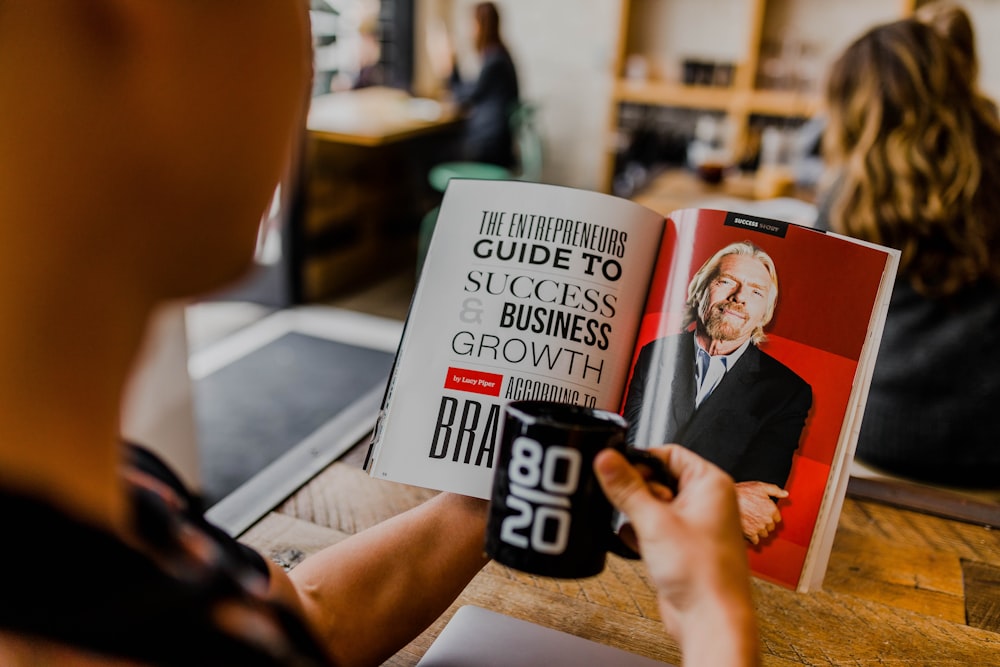
Personal Development, means different things to different people. Ultimately personal development is about focusing your attention on developing or refining your skills, abilities, attitude, and awareness for a personal goal. As a category Personal development covers various areas of human activity and can be applied to business and financial growth. Socially Personal development can be applied to improving social relationships, with friend's family or colleagues, partners, employees.
Personal Development in a Nutshell
If you wish to achieve worthwhile things in your personal and career life, you must become a worthwhile person in your own personal development.
Brian Tracy
To sum up personal development in a sentence, you can say personal development is about identifying challenges, finding solutions and integrating the answers or right course of action or behavior into your daily life or business. Personal development is about making effective change in yourself or company procedures to better deal with the environment.
"Believe that you possess a basic goodness, which is the foundation for the greatness you can ultimately achieve." Les Brown
Value-oriented aspects
Many of the value oriented aspects of personal development borders the realm's of spirituality were the individuals' attention may be focused on developing better social and environmentally relationships, achieving personal self-mastery's over ones actions, as in behavioural changes or over coming limitations, at this level, persistence, inquisitiveness, study and self discipline are common themes. Professionally personal development may include such themes as personal mastery and communication, developing leadership skills etc.
Many of the value oriented aspects of personal development borders the realm's of spirituality were the individuals' attention may be focused on developing better social and environmentally relationships, achieving personal self-mastery's over ones actions, as in behavioural changes or over coming limitations, at this level, persistence, inquisitiveness, study and self discipline are common themes. Professionally personal development may include such themes as personal mastery and communication, developing leadership skills etc.
In general personal development is about a cultivating a progressive attitude, studying/learning and applying appropriate success formulas or principles, whether as companies or individual. Much of the study of person development comes from the researching of people who have made significant growth, personally or in business.
Success leaves clues.
The early founders of the modern day form of personal development have studied and catalogued the process of success and achievement. They have made considerable progress in documenting the process of personal success as a science. Napoleon Hill is arguably the forefather of modern day personal development. He laid the foundations for our current generation of researchers, practitioner and coaches, such as the superstar Anthony Robbins
The early founders of the modern day form of personal development have studied and catalogued the process of success and achievement. They have made considerable progress in documenting the process of personal success as a science. Napoleon Hill is arguably the forefather of modern day personal development. He laid the foundations for our current generation of researchers, practitioner and coaches, such as the superstar Anthony Robbins
The following are some of the general themes in Personal Development
- Developing or renewing identity
- Fulfilling aspirations/Realizing dreams
- Behavioural change/conditioning
- Developing motivation - inspiration
- Improving self-awareness
- Enhancing lifestyle or the quality of life
- Improving your employability
- Identifying and investing in ones potential
- Financial development
- Developing strengths or talents
- Personal and professional mastery - Learning techniques or methods to gain
- Control of one's life
- Entrepreneurial
- Improving self-knowledge
- Developing personal development plans
- Increasing awareness or defining of one's chosen lifestyle
- Integrating social identity with self-identification
- Increasing awareness or defining of one's priorities
- Developing purpose
- Increasing awareness or defining of one's values
- Developing purpose
- Love
- Increasing awareness or defining of one's ethics
- Strategies and realizing dreams, aspirations, career and lifestyle priorities
- Developing personal discipline
- Personal development goal/ material attainment
- Developing professional potential
- Developing talents
- Developing integrity
- Goal setting
- Developing individual competencies
- Becoming more caring
- How to learn from experience
- Time management
- Developing mature interpersonal relationships
- Establishing identity
- Improving the quality of lifestyle (in such areas as health, wealth, culture,
- family, friends and communities)
- Learning techniques or methods to expand awareness
- Developing competence
- Achieving autonomy and interdependence
- Self mastery
- Managing emotions
- Learning techniques or methods to achieve wisdom
- Communication skills
Personal development philosophically practice
Personal development may also be applied to the following disciplines, either in practice metaphorically or philosophically
Personal development may also be applied to the following disciplines, either in practice metaphorically or philosophically
- Yoga
- Meditation
- Qi gong
- Juggling
- Martial arts
- The altruistic aspects of personal development
Some of the more altruistic elements of personal development have Parallels with some of the world's spiritual tradition. A good example would be, The Eightfold Path of Buddhism which focus on the development of skills such as:
- Right View
- Right Intention
- Right Speech
- Right Action
- Right Livelihood
- Right Effort
- Right Mindfulness
- Right Concentration
- Check out the Parallels
Right View this can be a likened to, open-mindedness, beliefs, continual learning of techniques or methods to expand awareness, thoughtfulness.
Right Intention this can be a likened to defining of one's values or the effort to develop mutually beneficial relationships for the general and greater good.
Right Intentions form a personal development point of view this can be seen as increasing your awareness of your actions and adjusting them for the greater good.
Right Speech, from a personal development view this would be Communication skills. Communications skills may also include your internal dialogue as in positive speech.
Right Action, this can be seen as exercising consideration, personal integrity, exercising wisdom.
Right Livelihood, this would have a relation to lifestyle as I'm enhancing one's quality of life, career, and working in an ethical line of employment etc.
Right Effort, this would relate to discipline commitment
determination persistence.
determination persistence.
Right Mindfulness, can be a likened to thoughtfulness consideration...
... And finally
Right Concentration, can be a likened to clarity, focus, exercising discipline of thoughts.
So where do you start? And what does it take?
Define an area of life you would like to work on...
1 create a vision
2 make a plan
3 action your plan
2 make a plan
3 action your plan
Commit to daily actions targeted towards change
Find a system or programme to facilitate your growth, in some cases this may mean reading the related material, books, websites blogs, in other cases this my mean joining the related clubs or taking courses etc. The main point is to develop a self image complementary to your goal/vision.
Find a system or programme to facilitate your growth, in some cases this may mean reading the related material, books, websites blogs, in other cases this my mean joining the related clubs or taking courses etc. The main point is to develop a self image complementary to your goal/vision.
There are no instant solutions, quick fixes or magic formulas to personal development - personal growth other then an awareness for the need for personal growth and the desire to grow. Granted that the two above conditions are meet - an awareness of the need for personal growth - and the desire to grow, you will be able to find success with the following tools:
Commitment,
Discipline,
persistence
inquisitiveness
These tools will make a nice starter in your chosen area of personal development/growth.
Discipline,
persistence
inquisitiveness
These tools will make a nice starter in your chosen area of personal development/growth.
The Creative Power within us makes us into the image of that to which we give our attention."
Wallace Delois Wattles
Here are two typical examples of a personal development exercise:
Example one
Example one
Renewing self images
First in order to realise success in you chosen area of personal development / growth. You need to do two things invest some time to identify and define an area you would like to develop ie you want a promotion
First in order to realise success in you chosen area of personal development / growth. You need to do two things invest some time to identify and define an area you would like to develop ie you want a promotion
Developing an image of yourself in your finish or ideal state/position -
What you're going to look like
How are you going to feel?
How will you be acting?
Develop you're new self image daily
Develop you're new self image daily
Example two
The following is an extract from Napoleon hill think and grow rich, Hill is describing the six steps needed to develop what he calls the burning desire needed to drive a person to the accomplishment of their goals. In this example the steps relate to money but with creative editing this formula can be applied to any area of goal attainment.
"First. Fix in your mind the exact amount of money you desire. It is not sufficient merely to say, "I want plenty of money." Be definite as to the amount. (There is a psychological reason for definiteness, which will be described in a subsequent chapter). See book Think and grow rich napoleon Hill
Second. Determine exactly what you intend to give in return for the money you desire. (There is no such reality as "something for nothing.)
Third. Establish a definite date when you intend to possess the money you desire.
Fourth. Create a definite plan for carrying out your desire, and begin at once, whether you are ready or not to put this plan into action.
Fifth. Write out a clear, concise statement of the amount of money you intend to acquire, name the time limit for its acquisition, state what you intend to give in return for the money, and describe clearly the plan through which you intend to accumulate it.
Sixth. Read your written statement aloud, twice daily, once just before retiring at night, and once after arising in the morning.
Napoleon Hill's 13 Success Principles are;
Desire, Faith, Auto-Suggestion, Specialized Knowledge, Imagination, Organised Planning, Decision, Persistence, the Master Mind, Transmutation, the Subconscious Mind, the Brain and the Sixth Sense
Think and grow rich by Napoleon Hill is a must have work -Think and grow rich is overflowing with valuable knowledge
All that man achieves and all that he fails to achieve is the direct result of his own thoughts."
Article Source:https://ezinearticles.com/?What-Is-Personal-Development?&id=6491322